Traveling throughout America today, and also you're likely to see more of a solitary plant varieties than any type of other. It's not corn- Kentucky Bluegrass wins the honor of being the country's most cultivated crop. Grassy lawns take up greater than three times the room of any kind of other irrigated plant, covering a swath over 31 times as large as Delaware. 9 Ideas For Turning Your Grass Into A Lively Ecological community
Countless expanses of well-manicured turf could be aesthetically enticing, however they come with substantial ecological costs. If you respect maintaining synthetic chemicals out of the environment, it's time take a look at the eco-friendly impacts of your backyard.
4 Ecological Costs Of Preserving a Grass
We may categorize yards as "environment-friendly space," yet they aren't as useful for the setting as they initially appear. Study is remaining to expose the ways that the effects of maintaining countless verdant backyards spell disaster for the earth.
1. Waste Of Irrigation From Excessive Water Usage
It takes virtually 8 billion gallons of water each day to maintain America's lawns green, which equates to near 200 gallons each. All that freshwater use is taking a toll on the offered supplies, which has actually resulted in traditionally low groundwater levels. The general aquifer is down numerous feet throughout much of the west, as well as several rivers are so seriously depleted that some now only run seasonally.
2. Triggers High Degrees of Air Pollution
Non-native yard species need some coaxing to endure in the landscape of country grass, indicating that it's typical practice to make use of copious quantities of synthetic pesticides and fertilizers to maintain them looking green. Nonetheless, using way too much of these modifications or including https://stellafencing.tumblr.com/ them also close to a rainstorm can cause them to saturate into tornado drains pipes and also seep into the general water supply. This chemical contamination can damage the fragile skin of fish as well as amphibians, as well as too much degrees of nitrogen regularly cause algae flowers that harm water life by depleting oxygen levels as well as obstructing essential sunlight.
Especially disconcerting is the formation of a hypoxic (dead) zone within the middle of the Gulf of Mexico, where low-oxygen degrees kill off countless fish every year after landscaping chemicals drain into the Mississippi River. While farmers get most of the social blame because of their heavy use fertilizer, the fact is that the average property owner utilizes greater than ten times the quantity of chemical modifications per acre on their lawn, typically due to the fact that they do not read the application directions very carefully enough.
These chemicals aren't just causing harm to water systems, yet they additionally could elevate your risk of establishing health issue. Research study has exposed relationships in between yard chemicals and cancer cells degrees in pet dog canines, and also a literary works evaluation has discovered solid organizations between pesticide direct exposure and also human cancer degrees as well. Recently, cancer cells clients have actually taken the Roundup developer Monsanto to court by declaring that their product boosted their risk of developing cancer cells.
3. Produces Biological "Deserts".
Verdant grass could look similar to natural landscapes to the inexperienced eye, however, for the majority of types, they are as welcoming as pavement. Most of turf selections planted in yards today aren't belonging to where they're grown, which usually makes it hard for regional insect populaces to endure in them. Furthermore, the lack of variety leaves few choices for looking for food resources, and maintaining turfs trimmed brief prevents them from giving important environment room. This presents troubles throughout the food chain, and also excessive yard space commonly brings about a decline in species variety.
4. Rises Greenhouse Gas Emissions.
Plants expanded normally tend to act as a carbon sink for the dirt, yet common techniques for keeping lawns often negates this benefit. As a matter of fact, your lawnmower may be an extra significant greenhouse gas producer than your cars and truck.
Roughly 5 percent of air pollution in America comes from grass care practices, primarily with mowing as well as weed whacking. A lawncare research study in Tennessee discovered that the energy needed to preserve a hectare of lawn generated over 2,500 kilos of co2 each year, which is the matching of flying midway across the globe. Over 500 million gallons of gas are melted with mowers annually, which adds up to the equivalent of an additional 3.5 million vehicles.
The EPA just just recently began regulating discharge levels on riding lawn mowers, which suggests that making use of a typical riding mower for an hour can produce the same quantity of contamination as 34 cars and trucks!
13 Strategies For Making Lawns A Lot More Sustainable.
It's very easy to obtain bewildered with all the issues with the contemporary lawn, but here's the good news- modification is possible, as well as it's more practical than you assume. You can pull out of the social requirement to keep a chemically-laden yard by adhering to these pointers to make the space much more sustainable.
By including these techniques right into your yard area, you'll be astonished at just how much of a difference they make for its total ecological influence.
1. Decrease Your Use Fertilizer.
Flooding your grass with fertilizer may leave it looking green, yet the results are anything but for the atmosphere. To incorporate all-natural plant food into your yard instead, take into consideration leaving the lawn clippings in place after you trim to make sure that they can decay directly right into the soil. This might seem like a tiny step, but it will certainly make a considerable difference for your yard health. Study shows that leaving grass clippings on every yard in the United States would allow the ground to shop 37 billion extra pounds of carbon every year- improving soil fertility and also minimizing greenhouse gasses emissions at the same time.
If you still can't resist the charm of applying plant food, make every effort to utilize it sparingly: just on recently grown turf, and never ever when rain remains in the forecast. This will certainly minimize the threat of the fertilizer making it into the water system.
2. Allow Your Lawn Expand Tall Before You Mow.
Your lawnmower could look tiny, but it's a considerable cause of environmental pollution. Running a standard mower for a hr creates the exact same quantity of emissions as driving loads of cars, implying that once a week mowing takes a toll on our shared air quality.
If you change your point of view about what a lawn should look like, you'll soon understand that children can play equally as gladly in shin-high lawn, as well as permitting plants to go through their full lifecycle will fill your lawn with attractive blooms. To maintain an all-natural look, try mowing most of your yard simply twice a year, and rather simply mow paths through the center for very easy strolling.
3. Maintain Big Blossom Beds & Small Grass Space.
What's the simplest way to minimize the quantity of mowing required for your grass? Plant a lot more blossom beds! An entire lawn filled with consistent yard is burning out compared to the riotous colors of a lavish landscape, so seek out ways to incorporate more perennials right into your yard plan. If filling voids with plants feels like excessive initiative, you can fill out the gaps with wood mulch. Not just will this draw the design together cosmetically, but you'll also get water retention advantages besides.
4. Swap Ornamental Trees For Fruit Producers.
Copious amounts of chemical pesticides are utilized to maintain worthless trees as well as shrubs throughout the nation, so why not place the same initiative in the direction of growing fruit trees that provide you a seasonal bounty? Berry shrubs and dwarf trees will certainly add aesthetic rate of interest to your yard, and mindful preparation ensures that you can grow trees that will certainly feed you throughout the summer. As an included advantage, many fruit trees like pawpaws and also mulberries are hardier than conventional ornamentals, indicating that they take much less initiative to preserve.
5. Count On Indigenous Plants.
There's a reason why wild plants succeed in their native environments- they have advanced over millions of years to be ideally matched for those specific problems. By basing your backyard style around your area's indigenous plants, you can guarantee it's loaded with species that will certainly flourish without much help from you.
6. Develop Elevated Beds For Veggie Horticulture.
If you desire your grass to contain less squandered room, turn a part of it into food production rather! You'll be surprised just how much food can originate from an elevated bed yard, and this cultivation approach makes it simple to modify your soil, easily reach weeds, and also see specifically what you need to collect every week.
Setting up increased beds isn't difficult, particularly if you comply with these plans to construct one in much less than 2 hours.
7. Usage Groundcover Tactically.
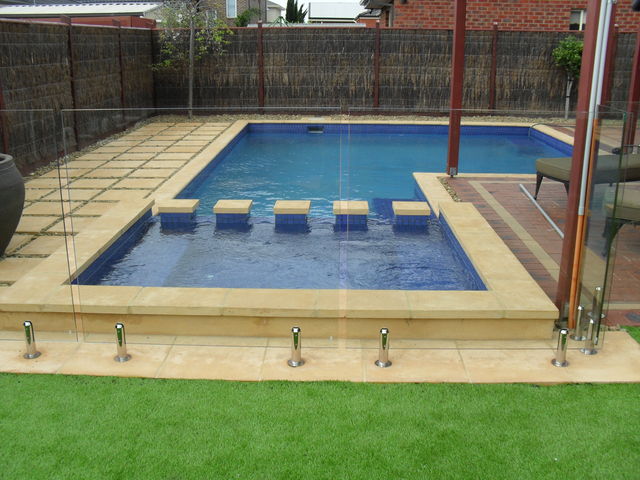
Turfgrass may be prominent, yet it's much from the only option for covering bare ground. Consider investing in low-maintenance groundcovers like ferns, mosses, native grasses, s or sedge, as well as you'll save on your own from mowing. Also much better, these plants all have low tide and plant food requirements, indicating that they will love little initiative on your component.
Read Next: 12 Lovely & Low-Maintenance Lawn Replacements.
8. Trade Out Your Riding Lawn Mower For A Press Mower.
Loosening up on a riding lawn mower may be practical, yet it can spell disaster for the earth. Think about shrinking the dimension of your lawn to ensure that you can keep it with a press lawn mower instead, and also you'll manage to keep your lawn while obtaining exercise in the process. Even relying upon a push-mower for small spaces within your backyard will certainly make a distinction for the environment. For the best outcomes, on a regular basis hone the mower blades as well as just cut when the lawn is thoroughly dry.
9. Begin A Compost Heap.
Forget synthetic plant foods- you can boost your home's all-natural fertility with homemade garden compost. Establishing an exterior compost bin for your kitchen and yard scraps could not be more convenient, and you can additionally utilize the power of worms to establish a reliable vermiculture system.
10. Do Not Grow Thirsty Types.
Landscape watering is an untenable waste of water. If you find on your own running the sprinklers for hours every week, you clearly aren't growing the best varieties for your atmosphere. Learn to deal with a dryer-looking grass or plant drought-tolerant turf seeds that need less water. If you stay in a particularly dry environment, go one action better by cultivating desert plants or integrating rocks into the landscape rather than grasses.
11. Use Organic Insect Control.
You do not need to look to poisonous substances to keep your lawn from obtaining annihilated by insects. There are lots of non-toxic remedies for maintaining insect populations in check without inadvertently poisoning your whole lawn. As an example, many yard insects can be managed with a straightforward soap spray or a natural chemical.
12. Maintain Wildlife Corridors On Your Residential or commercial property.
Reducing habitat space for wild animals is an increasingly worrying problem on the planet today, as well as the effects are intensified due to the fact that suv grass as well as roadway systems make it tough for species to take a trip from one room to another safely. By maintaining component of your yard wild, you can create corridors for wild animals to relocate through, dramatically extending their range.
13. Plant Trees To Shield Turf.
One means to reduce your lawn's water needs is to maintain it shaded to make sure that water doesn't vaporize as swiftly. Take into consideration planting shade trees throughout the property to maintain points covered, and also you'll dramatically minimize your lawn's watering requirements.
You don't require to quit on a grassy lawn completely to make your yard extra ecologically sustainable. By complying with these pointers, you'll be turning your grass right into a space that's much better for the world and also your health and wellness. It's a winning decision on all accounts.